

Retail is entering a more disciplined chapter. After years of rapid change driven by e-commerce acceleration and pandemic-era experimentation, retailers today are operating in a far more measured environment. Margin pressure remains high, consumers are more selective, and leadership teams are under growing pressure to show clear returns on every investment.
Across conversations with retailers over the past year, a consistent theme has emerged. Growth strategies are being recalibrated toward efficiency and accountability. Retail media networks, personalization, and AI-enabled automation are increasingly viewed as interconnected capabilities that support new revenue streams, stronger customer experiences, and better decision-making across the business.
A Shift Toward More Sustainable Growth
Many retailers are recognizing the limits of traditional growth levers. Store expansion carries significant cost, promotions deliver uneven results, and loyalty is harder to maintain in a crowded market. As a result, there is focus on maximizing the value of existing assets such as physical stores and first-party data.
In-store retail media networks (RMNs) have become a central part of that conversation. What began as a digital advertising extension has evolved into a broader monetization strategy that spans ecommerce and physical environments. Deloitte reports that the majority of retail executives view RMNs as critical to near-term revenue and profitability, with many planning to expand into non-endemic advertising categories. This expansion reflects growing confidence in retailers’ ability to leverage shopper insight responsibly and at scale.
RMNs are now discussed well beyond marketing teams. Finance leaders see their margin potential. Merchandising teams see opportunities to influence purchase decisions closer to the shelf. Executive teams increasingly view retail media as a platform capability rather than a standalone channel.

The next retail growth cycle will be powered by connected capabilities—media, personalization, and AI working together to monetize attention and improve decisions.
— Jessica Creces, SVP Strategic Growth, Creative Realities
Personalization, Redefined for the Physical Store
Personalization remains a priority, though its definition continues to evolve. One of the most common misconceptions is that in-store personalization should mirror the individual targeting used online. That expectation quickly runs into practical limits. In physical environments, it is far harder to know exactly who is standing in front of a screen at any given moment.
What works instead is contextual relevance at scale. The most effective in-store personalization strategies focus less on identifying individuals and more on understanding context. Store format, geography, time of day, shopper mission, and product availability all matter. Timing matters just as much. Messaging that influences a shopper at the point of purchase carries far more weight than messaging delivered earlier in the journey.
This approach aligns with consumer sentiment. Research from BCG indicates that consumers value personalization when it adds clear value and feels respectful. Experiences that miss the mark can quickly undermine trust, particularly when messaging feels disconnected from location or purpose. Retailers are becoming more deliberate about how personalization supports the overall journey rather than treating it as a standalone tactic.
The Power (and Limitations) of AI and Automation to Support Scale
As personalization and retail media efforts expand, operational complexity rises quickly. Managing content, campaigns, and measurement across large store networks places heavy demands on internal teams. AI and automation are increasingly viewed as essential tools for managing that complexity.
In practice, this means using AI to optimize content delivery and continuously refine performance based on live data. Automation also helps teams respond faster to changes in shopper behavior, inventory conditions, and campaign performance.
Technology can only go so far. Every brand and every store operates within its own set of nuances, which means AI and automation are best viewed as accelerators rather than replacements at this time. Retailers can use these tools to streamline data management and RMN optimization, but hands-on involvement remains critical, especially early on. That effort must happen alongside a clear focus on governance, experience design, and long-term planning.
Measurement Takes Center Stage
As retail media investment grows, expectations around measurement continue to rise. Brands want greater clarity on impact, and retailers want confidence that monetization efforts deliver incremental value without disrupting the shopping experience.
The convergence of retail media, personalization, and AI creates opportunities to connect exposure with outcomes such as sales lift and basket growth, particularly in physical stores where influence happens close to the point of purchase. Many retailers acknowledge that measurement remains an area of development.
Still, attribution and performance transparency are becoming baseline requirements as budgets shift and competition for marketing dollars increases.
What Sets Retail Leaders Apart
Retailers making the most progress share several characteristics:
• They work with partners that help them prioritize data foundations, governance models, and measurement frameworks. These foundational elements will help them continually refine their programs and leverage tools like AI and automation more effectively as they evolve.
• They design personalization around shopper context instead of theoretical targeting.
• They recognize that in-store media introduces different challenges than digital environments, including uptime, content management, and operational coordination.
• They treat retail media and personalization as long-term capabilities that require ongoing attention and optimization.
Those that underestimate these factors often struggle to move beyond pilot programs. Many will attempt to build everything internally, only to find that complexity slows progress and limits scale.
The Opportunity Ahead
Personalization and retail media are converging into a single growth engine for retail. That convergence is powerful, though it is not automatic. While AI and automation play an important role in applying intelligence at scale and enabling continuous optimization, they can only replace some of the legwork required to ensure the success of these new growth opportunities.
As tools mature and expectations rise, retailers should focus their strategy on thoughtful design and sustained investment in the foundations that enable scale. Over time, this approach allows retailers to unlock new revenue, deliver more relevant experiences, and make smarter decisions across the business, creating a more resilient model for the next phase of industry growth.
This article was originally published on Retail Today.

Share this
Creative Realities designs and installs digital screens and LED walls for airport retailer Paradies Lagardère
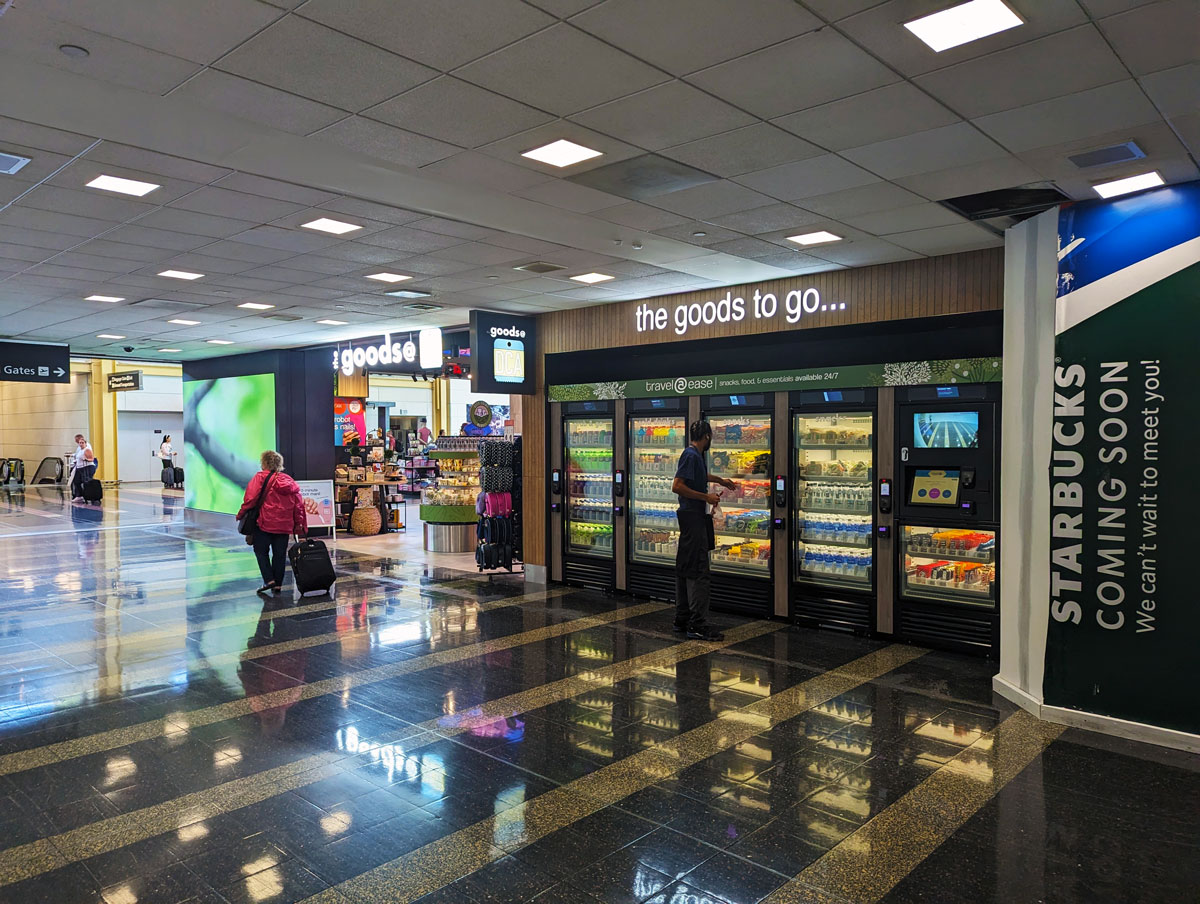
Creative Realities designs and installs digital screens and LED walls for airport retailer Paradies Lagardère
Nov 15, 2023, 9:30:00 AM
1
min read
Empowering Retail Media Networks with the Right Tech Stack
Empowering Retail Media Networks with the Right Tech Stack
Oct 1, 2024, 5:08:21 PM
4
min read
Exploring the Generation Gap: How Gen Z's Inquisitiveness Shapes Retail Strategies

Exploring the Generation Gap: How Gen Z's Inquisitiveness Shapes Retail Strategies
Jul 14, 2023, 10:27:49 AM
5
min read